Lenovo Legion R7 RT75 Launched: Magnetic Switches & Screen
Click here to add Gadgetslogs as a trusted source

Lenovo Just Dropped the Legion R7 RT75 Gaming Keyboard, and It Is an Absolute Beast for Pro Gamers!
If you have been closely following the competitive gaming scene over the last year, you already know that traditional mechanical keyboards are slowly becoming a thing of the past. Professional players in games like Valorant and Counter-Strike 2 are massively shifting towards “Hall Effect” magnetic switches. Until now, gamers had to rely on expensive niche brands for this technology, but a major tech giant has finally stepped into the arena.
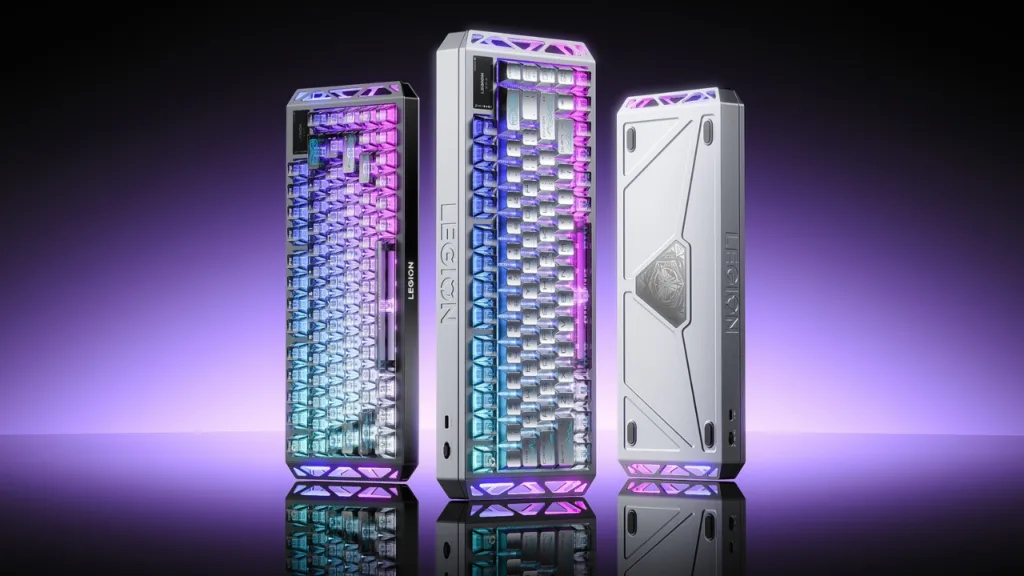
Lenovo has officially expanded its premium gaming peripheral lineup with the launch of the brand-new Lenovo Legion R7 RT75. This is a 75% layout gaming keyboard that combines a heavy, full-aluminum body with wildly customizable magnetic switches and a built-in smart screen. Let’s dive deep into the crazy specifications and find out why this keyboard might be the ultimate upgrade for your gaming setup.
The Magic of Hall Effect Magnetic Switches
The biggest selling point of the Lenovo Legion R7 RT75 is what lies underneath the keycaps. Instead of traditional physical metal contacts, this keyboard uses Lenovo’s custom “Aurora” magnetic switches equipped with Hall Effect sensors. In simple English, the keyboard uses magnets to measure exactly how far down you have pressed a key.
Because of this, you can fully customize the actuation point of every single key from a hair-trigger 0.01mm all the way down to a deep 3.4mm. Furthermore, it supports a 0.01mm “Rapid Trigger” precision feature. This means the moment you lift your finger even slightly, the key resets instantly. If you play tactical shooters, this allows for lightning-fast strafing and movement resets that a standard mechanical keyboard physically cannot match. The board also supports advanced competitive tools like SOCD (Simultaneous Opposing Cardinal Directions) to give you the ultimate edge in intense matches.
Insane 8,000Hz Polling Rate… On Wireless?
Typically, wireless keyboards suffer from minor input lag, which is why e-sports players always prefer braided cables. Lenovo is breaking that rule entirely. To process these lightning-fast magnetic inputs, the keyboard features a custom, high-end controller that delivers an insane 8,000Hz polling rate.
What is genuinely mind-blowing is that this 8,000Hz speed is supported on both the wired USB-C connection and the 2.4GHz wireless connection. Lenovo claims the device operates with a 32,000Hz internal scan rate, keeping the full-key latency fluctuation down to an incredible 0.125 milliseconds. You are getting the absolute freedom of a wireless desk setup with zero compromises on professional gaming speed.
A Built-in TFT Screen and Premium Build Quality
Lenovo didn’t just focus on performance; they nailed the aesthetics as well. Weighing in at a hefty 1.49 kg (around 1,490g), the keyboard features a premium CNC-machined aluminum body. Inside, it uses a high-quality carbon fiber positioning plate, a flexible gasket-mounted structure, and five distinct layers of sound-dampening materials. Combined with factory-lubricated stabilizers, this board promises a deep, satisfying acoustic sound profile with zero metallic pinging.
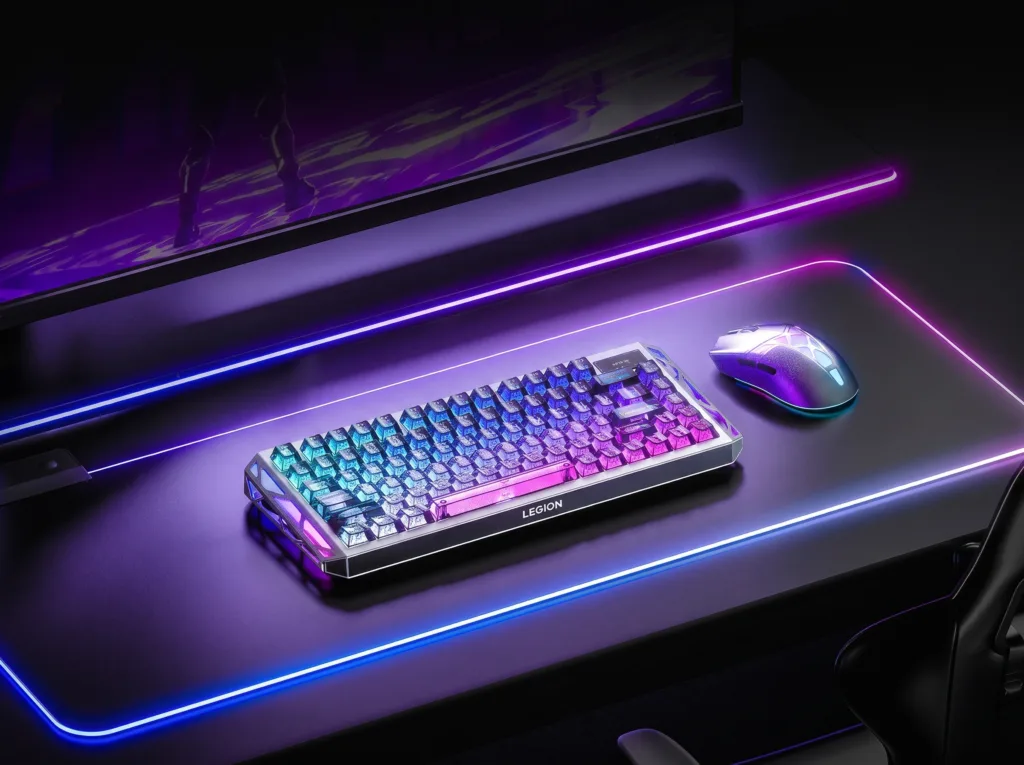
On the top right corner, the keyboard rocks a beautiful 1.47-inch TFT color display (320 x 172 resolution). You can use this mini screen to check your battery life, monitor connection modes, or even upload your own custom animated GIFs for a personalized look. Speaking of the battery, it houses a massive 8,000mAh internal cell to ensure your per-key RGB lighting and the screen don’t drain the device halfway through your gaming session.
Pricing: Is It Worth Your Money?
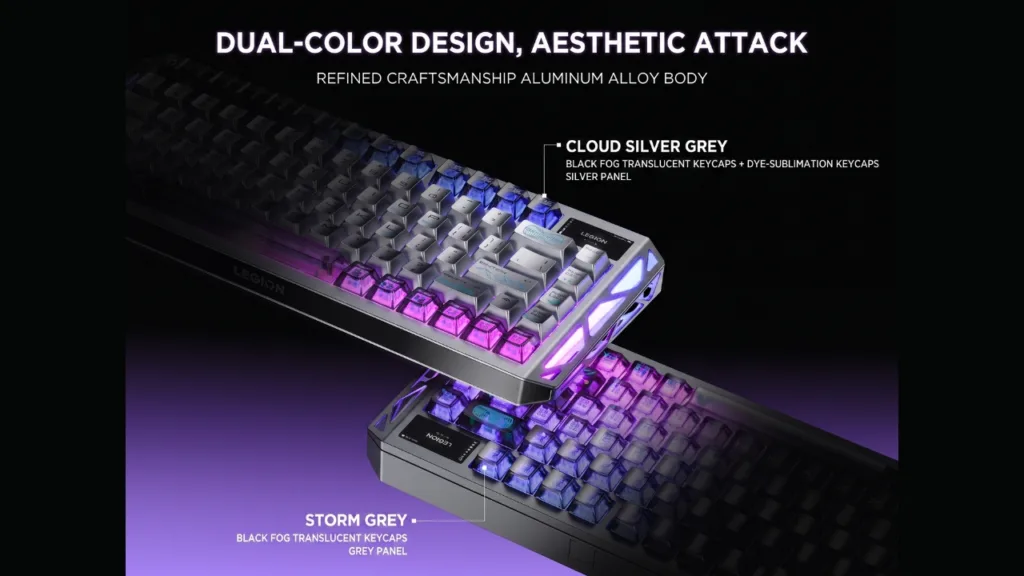
The keyboard supports tri-mode connectivity (Wired, 2.4GHz, and Bluetooth) and works flawlessly across Windows, macOS, and Linux systems. It is available in two stunning colors: Cloud Silver Grey and Storm Grey.
According to official listings, the Lenovo Legion R7 RT75 is priced at 1,299 yuan in the Chinese market, which translates to roughly $192 USD. Considering custom Hall Effect keyboards from other brands often cost well over $200 and lack features like a CNC aluminum body or an 8000Hz wireless polling rate, this is an absolute steal. We are highly optimistic that Lenovo will launch this beast in global markets very soon. Will you be upgrading to a magnetic keyboard this year?

Staff Writer · Gadgetslogs
Yashraj Mandloi is a B.Tech engineer who works in the IT field and is also a part-time blogger. His hobbies include playing video games and keeping up with the latest trending tech news.