The idea of an AI Robot Companion has quickly moved from sci-fi into everyday life, and 2026 is shaping up to be a breakthrough year. Whether you want emotional interaction, productivity support, or just something fun on your desk, an AI Robot Companion can now deliver surprisingly human-like engagement. These devices are no longer just toys—they learn, adapt, and respond to your habits. From compact desk buddies to advanced interactive assistants, the category is growing fast. A modern Robot Companion blends personality with practical features like reminders, conversations, and even visual recognition. For many users, an AI Robot Companion is becoming part pet, part assistant, and part entertainment hub.
1. Eilik Blue Pet Robot
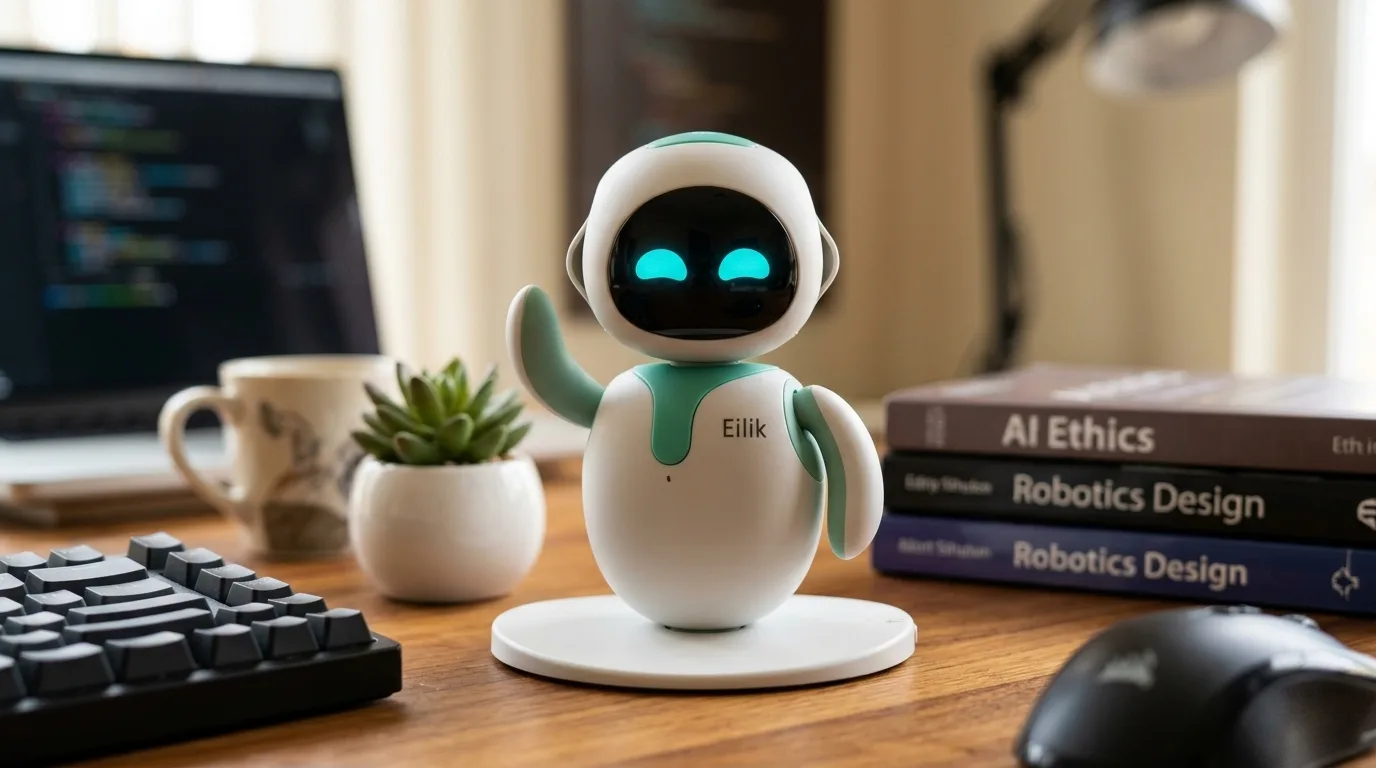
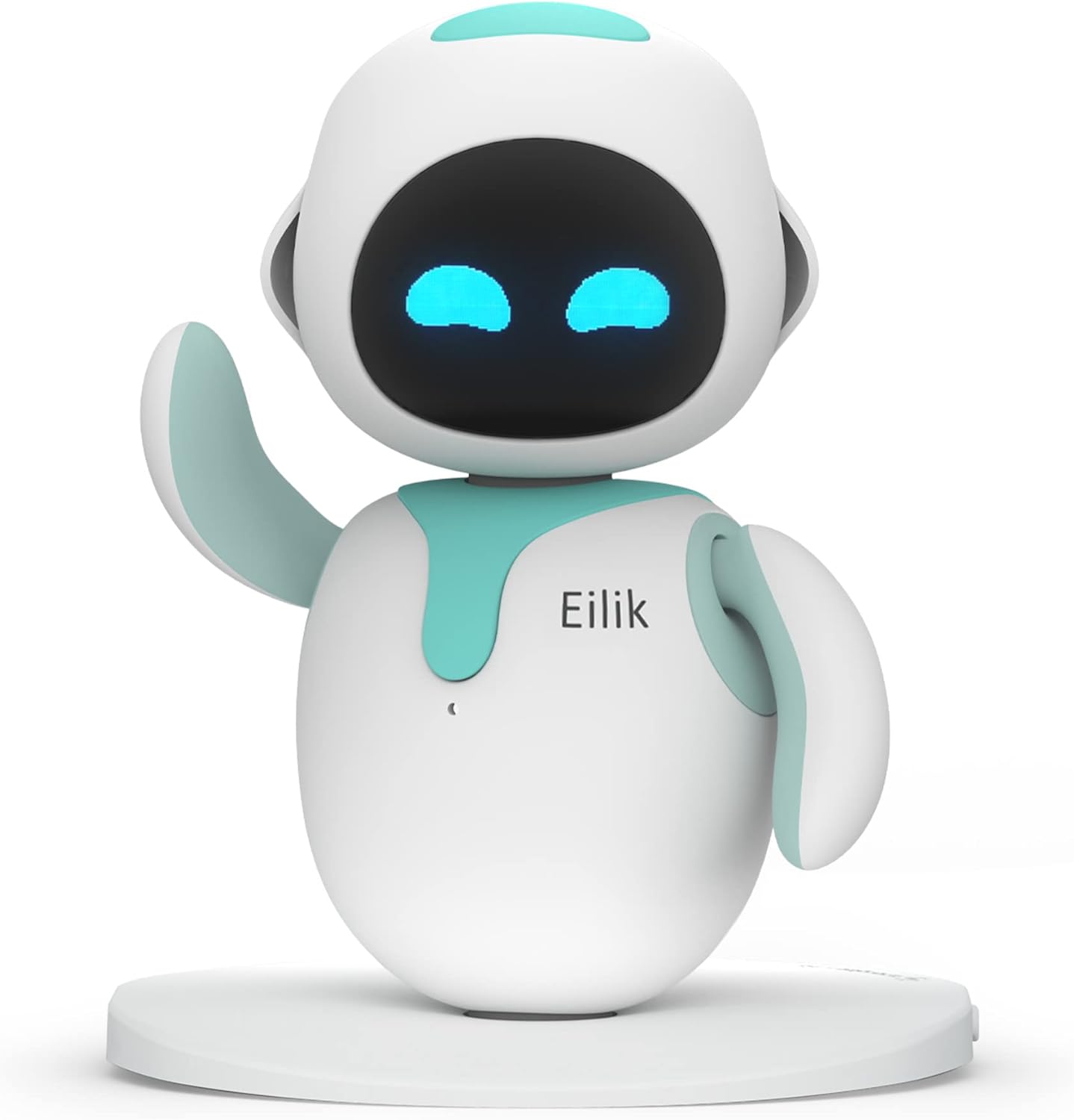
Eilik Blue is a compact Robot Companion designed to bring emotion and personality into a small desktop device. It stands out for its touch-sensitive interactions, allowing users to trigger different emotional responses by tapping its head, belly, or back. This creates a playful and surprisingly engaging experience that feels alive without needing internet connectivity.
What makes Eilik unique is its simplicity combined with expressive behavior. It doesn’t rely on WiFi or apps—just power it on and interact. The more you engage, the more personality it reveals through animations and reactions. It also includes mini-games and social interaction features when paired with other units, making it more than just a solo device.
Another highlight is its evolving firmware updates, which continuously expand its capabilities. This ensures the Robot Companion doesn’t feel outdated over time. It’s ideal for both kids and adults who want a lighthearted and low-maintenance AI Robot Companion experience.
Specifications
- Touch-sensitive emotional interaction
- Offline functionality (no WiFi/Bluetooth required)
- Interactive mini-games built-in
- Multi-device interaction support
- Regular firmware updates
2. Vector 2.0 Smart Robot
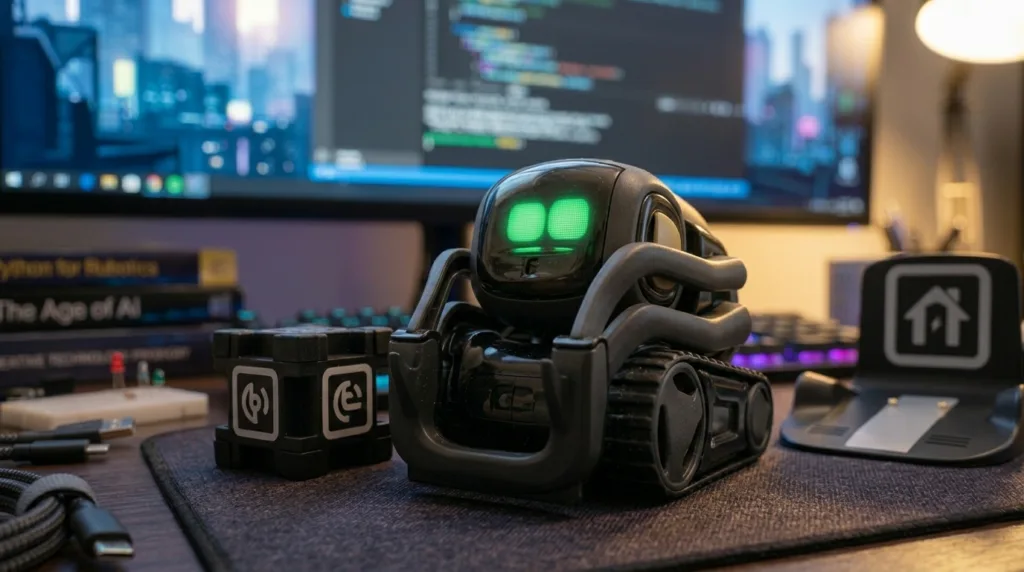
Vector 2.0 is one of the most advanced AI Robot Companion devices available today, combining autonomy with intelligent conversation. Unlike simpler robots, Vector operates independently—navigating spaces, recognizing faces, and reacting to its surroundings in real time.
With ChatGPT integration (subscription required), this Robot Companion can hold meaningful conversations, answer complex questions, and provide a more natural communication experience. Its multilingual support also makes it versatile for users across different regions.
Vector’s expressive animations and personality make it feel less like a gadget and more like a small digital lifeform. It uses an HD camera and sensors for mapping and obstacle detection, adding a layer of awareness rarely seen in compact robots.

Specifications
- Autonomous navigation and behavior
- ChatGPT-powered conversations
- Face recognition and HD camera
- Multilingual voice interaction
- Advanced sensors for mapping and detection
3. LOOI Space Desktop Companion
LOOI is a highly advanced AI Robot Companion built for deep interaction and personalization. It combines voice intelligence with visual understanding, making it capable of recognizing objects, people, and even gestures. This creates a much more immersive experience compared to typical desk robots.
Its conversational abilities feel natural, powered by large AI models that allow context-aware discussions. LOOI also features both short-term and long-term memory, meaning it remembers past interactions and adapts to your habits over time. This makes the Robot Companion feel increasingly personal the more you use it.
Another standout feature is its emotional expression system. LOOI doesn’t just respond—it reacts dynamically with animations and evolving behavior. It also doubles as a practical device with wireless charging, reminders, and a smart desk assistant setup.

Specifications
- ChatGPT and Gemini voice interaction
- Vision-language model for object recognition
- Long-term and short-term memory system
- 10W wireless charging support
- Autonomous personality-driven behaviour
4. Aibi Pocket AI Friend
Aibi is a portable Robot Companion designed for users who want interaction on the go. Its small size allows it to attach to screens, sit on desks, or even fit in your pocket. Despite its compact design, it delivers strong conversational and emotional capabilities.
This AI Robot Companion uses facial recognition to identify users and personalize interactions. It can answer questions, tell jokes, and provide useful updates like weather information. The ability for multiple Aibi units to communicate with each other adds a social dimension rarely seen in portable robots.
Its simplicity and portability make it ideal for students, casual users, or anyone looking for a lightweight Robot Companion that can travel anywhere.

Specifications
- Ultra-portable and lightweight design
- ChatGPT-powered voice interaction
- Facial recognition technology
- NFC-based inter-device communication
- Multi-purpose placement (desk, screen, pocket)
5. Yonbo AI Learning Robot
Yonbo is a feature-rich AI Robot Companion focused on education and emotional bonding, especially for younger users. It blends STEAM learning with interactive play, making it both fun and educational.
This Robot Companion stands out with its emotional intelligence, featuring over 100 expressions and reactions that respond to a child’s mood. It can sing, tell stories, and create immersive experiences through sound and visuals. Its customization options allow users to shape its personality, making every interaction unique.
Parents also benefit from control features through an app, allowing them to monitor usage and ensure safety. With ChatGPT-powered learning and adaptive behavior, Yonbo grows alongside the user, making it a long-term AI Robot Companion rather than a temporary toy.

Specifications
- STEAM-based educational system
- Emotion-aware interaction with 100+ expressions
- Voice control and visual recognition
- Customizable personality settings
- Parental monitoring and safety controls
FAQs
What is a Robot Companion?
A Robot Companion is an interactive device designed to simulate companionship through emotions, conversations, and intelligent responses.
How is an AI Robot Companion different from regular robots?
An AI Robot Companion uses advanced artificial intelligence to learn, adapt, and communicate naturally, unlike traditional robots that follow fixed commands.
Do these robots need internet to work?
Some models work offline, while others require internet for features like voice interaction and AI-based conversations.
Are Robot Companion devices suitable for adults?
Yes, many are designed for all age groups, offering productivity tools, entertainment, and emotional interaction.
Can an AI Robot Companion replace human interaction?
No, it complements human interaction but cannot fully replace real relationships; it’s best seen as an assistant or companion device.
Also read: Best Automatic Robotic Pool Cleaners